The Missing Middle: Why Two-Year-Olds Need Their Own Room, Not a Shrunken Preschool
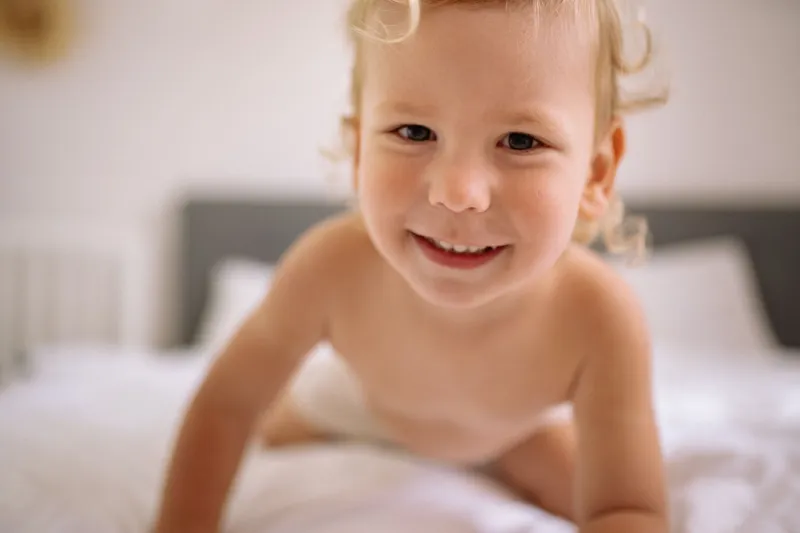
Walk into many UK nurseries and you can spot the two-year-old room by what is missing. The baby room has the cosy corners and the nappy-changing rhythm. The preschool room has the labelled trays, the group times and the wall display about planets. The room in between often has a bit of both, a lot of goodwill and a nagging feeling that it is being pulled in two directions.
That is the missing middle. Two-year-olds are not babies who can walk, and they are not preschoolers who can sit. They are people in the middle of a huge developmental push: language is taking off, self-awareness is growing, and the urge to do it myself is fierce. In 2026, with staffing tight and space at a premium, it is tempting to treat the two-year-old room as a transit lounge. But the provision we make in this year matters enormously.
The room that gets squeezed
Two-year-old rooms often inherit the furniture nobody else wanted. A low table here, a toddler-sized chair there, a tray of toys that is either too young or too old. The result can feel like a smaller preschool: tables for activities, a carpet for group time, and shelves that are just out of reach. But two-year-olds learn through movement, repetition and sensory experience. They need space to push, carry, fill, tip and try again.
Ask yourself: can a child in your room choose something without asking an adult? Can they reach the books, the bricks or the pots and pans? Is there a quiet corner where they can retreat without being labelled as playing alone? Is there a clear patch of floor for rolling and crawling? These questions cost nothing to answer, and often cost very little to fix.
What two-year-olds are actually telling us
Development Matters is not a tick list, but it is a useful reminder of the obvious: two-year-olds are working on communication, physical control, making relationships and thinking for themselves. They often play alongside others rather than with them. They need adults who narrate, repeat and wait. They need to hear the same song, the same story and the same silly joke until they can join in.
The two-year-old progress check is a useful moment to pause, but the daily clues are more important. Watch how a child asks for help. Watch how they carry a jug. Watch what happens when another child takes the train they wanted. Those moments are the curriculum.
Start with the floor plan, not the catalogue
Before you order anything, move what you already have. Push the tables to the edge. Create a zone for noisy play and a zone for quiet. Put the books in a basket on the floor, not on a high shelf. Add a mirror at child height. Use a washing-up bowl for water, a cardboard box for posting, and a treasure basket for collecting. Two-year-olds do not need a Pinterest room; they need a room that says yes.
Try a two-week audit. Each day, take one photo of the room at the start of the session. At the end of the fortnight, look at what children actually used. You will see the dead zones and the bottlenecks. You will also see the resources that never got touched because they were too high, too hard or too boring.
Routine: predictable, not rigid
Two-year-olds thrive on knowing what comes next. That does not mean a military timetable. It means singing the same tidy-up song, using the same handwashing chant, and giving a five-minute warning before a change. Transitions are where the wobbles happen, so build in a cushion. A child who is deep in play needs a bridge, not a cliff edge.
Snack is not a pause in learning. It is learning. Pouring, passing, choosing, saying no thank you - all of it is gold. Sit with the children if you can. Model the language. Let them spread the butter, even if it goes wrong. The mess is part of the plan.
Language that lands
Two-year-olds are not empty cups waiting to be filled with vocabulary. They are already communicators. Your job is to join in, not to quiz. Instead of asking what colour is that, try you have got the red one. Instead of say please, try you wanted more, didn't you? Here you go. Narrate what you see. Repeat back what they say with one extra word. Pause long enough for them to think.
Books deserve a special mention. A small basket of board books, changed weekly, can do more for language than a flashcard set ever will. Read the same book again and again. Let children turn the pages. Let them finish the line.
Independence with a safety net
The two-year-old motto is I do it. It takes longer. It is messier. It is worth it. Coats, wellies, handwashing, carrying a plate, putting a cup in the sink - these are not chores, they are confidence. Set up the environment so that independence is possible: low hooks, small jugs, accessible bins, a mirror by the door. Then resist the urge to do it for them.
Risk is part of this. A two-year-old carrying a real jug will sometimes spill it. A two-year-old climbing the steps to the slide will sometimes wobble. Your job is to be close, not to remove the challenge. The EYFS does not ask for a risk-free room; it asks for a room where adults manage risk sensibly.
Staff deployment: consistency beats clever rotas
Two-year-olds need to know who is theirs. The key person system is not a piece of paperwork; it is a relationship. If staff are constantly rotated between rooms, the two-year-old room can feel like a bus station. Try to keep the core team stable. Let the key person have time to sit with their children, not just manage the room. And give the room leader permission to say no to unnecessary interruptions.
If you have a student or an apprentice, use them well. They can be an extra pair of hands, but they are not a substitute for a consistent adult. Plan the rota around the children's needs, not just the staff's preferences.
Five review prompts for Monday morning
- Can a child choose from at least three zones without asking an adult?
- Is there a quiet space that is genuinely quiet, not just a cushion in the corner?
- Does the routine have warnings and songs, or sudden changes?
- Do adults narrate and repeat, or quiz and correct?
- Is the key person actually available to their key children?
You do not need a new budget to answer these. You need an hour, a notebook and a willingness to move the furniture.
Small changes, real difference
The two-year-old room is not a waiting room for preschool. It is a room in its own right, with its own rhythms and its own brilliant, messy, noisy learning. When we stop shrinking the preschool and start building for the middle, everyone benefits. The children settle. The staff breathe. And the room finally fits.