The Camera Can Wait: Digital Journals That Serve Children, Not the Feed
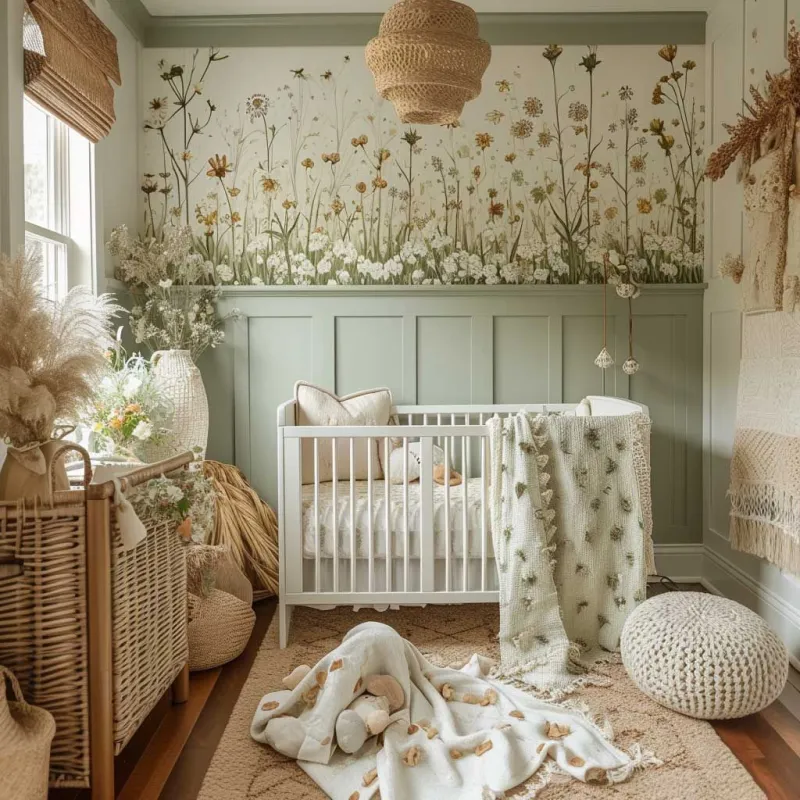
Photo: nursery practitioner observing child playing with tablet nearby UK nursery setting, via i.pinimg.com
You know the moment. A three-year-old has just worked out how to balance a plank across two crates. Their tongue is out, their hands are steady, and the whole construction is about to come crashing down in the most satisfying way. Your phone is in your pocket. The journal is open on the tablet by the snack table. And a small voice in your head says: you should be capturing this.
That voice is not a bad voice. It comes from a good place. But it can get a bit bossy. Somewhere between the EYFS framework, parent expectations and the sheer number of photos already on the system, digital learning journals have picked up a lot of extra weight. They have become proof, performance and paperwork all at once. In 2026, with Tapestry and similar platforms now part of ordinary nursery life, it is worth asking a simple question: is the journal helping us see children more clearly, or is it quietly pulling us away from them?
The journal is not the job
The job is the child. The journal is a tool. That sounds obvious, but it is easy to lose sight of when a setting has fallen into a rhythm of recording for recording's sake. A photo of a child in a firefighter hat, a short caption about role play, a tick next to 'pretend play' — and on to the next one. The entry exists. But does it tell anyone anything they did not already know?
The EYFS statutory framework is clear that assessment should not take practitioners away from children. Ofsted does not ask for a set number of observations per child per week. And yet many settings still carry an unwritten rule that every child needs a certain volume of evidence. That rule is rarely written down, which makes it harder to challenge. It lives in staff meetings, in handover whispers, and in the guilty glance at a tablet at 5pm.
A three-question filter before you record
Before you open the app, try this. It takes about five seconds and saves a lot of pointless tapping.
1. Does this tell us something we did not already know about this child? Not 'is it cute?' Not 'will the parent like it?' But: does it show a new interest, a new skill, a new way of thinking? If the answer is no, you can let the moment be a moment.
2. Would a parent recognise their child here? The best entries sound like the child, not like a textbook. 'She kept going back to the same puzzle until the last piece fitted' tells a parent more than 'demonstrated perseverance in a problem-solving activity'. Write like you would speak to a colleague at the kettle.
3. Can I capture it in ten seconds or less? If it needs a paragraph, a photo, a tag and a link to a framework area, it is probably not the right moment to be doing all that. Jot a note on a sticky note and come back to it at lunch. Or better still, say something to the child first. The journal can wait.
Make it a conversation, not a showcase
Parents do not need a daily highlight reel. They need to feel connected to their child's ordinary nursery day. That means entries that are honest, specific and sometimes small. A photo of a child stirring paint that has turned a disappointing shade of brown can be more useful than a perfect shot of a finished masterpiece. It says: we were there for the messy bit.
Meaningful parent involvement is two-way. It is not just asking parents to 'like' a post. It is inviting them to add a line about what their child has been doing at home, or to ask a question about something they have noticed. It is responding when they comment. It is not making them feel behind if they have not logged in for a fortnight.
Try a simple weekly prompt instead of a constant stream. Something like: 'We have been noticing lots of carrying and filling lately. Does that ring any bells at home?' That is a conversation. It gives parents a way in that does not depend on them being online every evening.
What managers can stop doing
If you lead a setting, the quickest way to reduce performative documentation is to look at what you are asking for. Are staff expected to produce a certain number of observations? Are photos being counted? Is there an unspoken competition about who has the fullest journal? These are the things that make practitioners feel watched rather than trusted.
Try a monthly sample instead of a monthly quota. Pick a handful of entries at random and ask: does this help us understand the child? Does it help the key person plan? Would a parent find it useful? If the answer to two out of three is yes, that is a good entry. If it is a photo with no context and a framework tag, it is not evidence of anything except that someone had their phone out.
Protect time for the journal, too. Ten minutes at the end of a session, built into the rota, is worth more than a vague expectation that staff will 'keep on top of it'. And if the journal is eating into lunch breaks, it is eating into the things that keep people in the job.
A small routine that keeps it human
Here is a routine that works in busy rooms. Before you reach for the tablet, speak to the child. Ask a question. Wait for the answer. Then decide if the moment is worth recording. If it is, capture it quickly and write the note later, while the detail is still fresh. If it is not, let it go. The child will not remember that you did not photograph their tower. They will remember that you sat down and helped them rebuild it.
The journal is at its best when it feels like a window, not a scoreboard. It should show the child in their ordinary glory — the repetitive play, the small victories, the wobbly moments — without turning every practitioner into a roving camera crew. The camera can wait. The child is right there.