The Peg With No Name On It: Helping Children When a Friend Leaves the Room
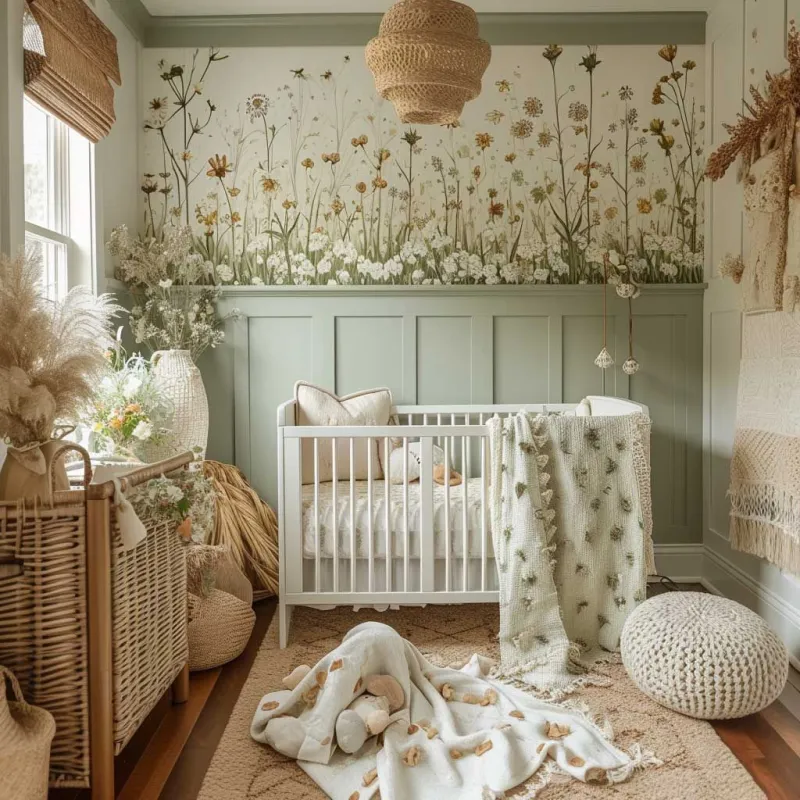
Photo: nursery cloakroom pegs children coats UK early years, via i.pinimg.com
On a Tuesday in the middle of term, a peg in the cloakroom stops being used. The name card comes down, the spare socks go home in a bag, and by Friday the space has closed over as though it was never needed.
For the adults, that is usually the whole story: a leaver, a form, a final invoice. For the children who stay, it is often something else entirely — a small loss with no card, no flowers and nobody quite saying the right words.
They notice the gap before we put words to it
Watch a group of two-year-olds at the snack table the week after a leaver goes. Someone sits in the empty place and looks at it. Someone else says the missing child's name as a question, then moves on.
Among older children the noticing is louder. The wellies nobody is wearing. The seat that used to belong to somebody. A child announcing, out of nowhere, that Ada is not coming back, as though checking the fact still holds.
Adults often assume that under-threes do not register a peer's departure. In practice, they register the routine much more than the relationship — and a routine with a hole in it is unsettling. Nothing dramatic. Just slightly off.
The goodbye is rarely the difficult part
The party, the card, the small ceremony with the bubbles — those are the easy bits, because they have a shape. The harder work happens in the fortnight afterwards, when nobody is watching and the group quietly rearranges itself.
What children need then is boring, reliable honesty. Something they can hold and repeat. Their key person saying, calmly and without drama: 'Ada has moved to a new house with her family. She won't be coming back to nursery. We can still think about her.'
It is worth avoiding the softer phrases we reach for out of our own discomfort. 'Gone away' is vague and children fill vagueness with worry. 'Lost' is worse. Keep it short, keep it true, and expect to say it a dozen times over three weeks. The repetition is not a sign it is not working — it is how it works.
Keep a face where children can find it
A photograph at child height in the book corner does more than a framed print near the office door. Not a shrine, not a display about feelings — just a picture in the general clutter of the room, so a child who is thinking about their friend can go and look without needing an adult to arrange it.
Some settings keep the peg in place for a while, name card and all. Others find it kinder to explain the change as it happens. There is no rule. What matters is that the decision is made thoughtfully rather than by whoever gets to the cloakroom first.
Small rituals, not big projects
Peer transitions tend to be either ignored or over-engineered. Aim for something in between — a handful of gentle, repeatable acts:
- A card made at the making table and posted by the children who want to. Not everybody will.
- One photo tucked into the book corner, where a child can find it without asking.
- A short message sent to the family a few weeks on, with a photo of something the group did. Children love hearing a reply.
- A goodbye that lasts four minutes rather than forty, led by the children who want to be there.
What matters is that the ritual is short enough to survive a bad day and structured enough that children can anticipate it. Anything that needs a planning meeting, a display board and a risk assessment will probably not happen by week three — and by week three is when it is still needed.
Loyalty is not a problem to solve
A child may refuse the new key person. Another may insist, loudly and often, that their friend is coming back. One might stand at the window at pick-up time, waiting for a face that will not appear.
It is tempting to redirect all of this. To reassure fast, to suggest new friends, to move the conversation along. Try sitting with it instead. Loyalty is a sign that a child can form real attachments and hold on to them — an ability worth protecting, not correcting.
What helps is company rather than solutions. 'You really miss her.' 'You liked playing with her.' 'You can keep thinking about her.' Then, when the child is ready, something ordinary: shall we do the playdough?
Tell the parents, too
Families at home field the questions — sometimes weeks after the event, often at bedtime. A short message in the newsletter or a line at handover, explaining that a child has left the room and how the setting is responding, saves parents from improvising an answer in the dark.
When it needs more than a word
Most children take a peer's departure in their stride within a few weeks. A few take it harder, and signs show up in the body rather than the voice: sleep going sideways, a return to clinginess, appetite changes, more tears at drop-off, a sudden reluctance to come in at all.
If that carries on past the point where the rest of the group has settled, share it with the family rather than waiting for them to raise it, and bring in your setting's SENCO or manager. A departure is not the cause of everything that follows it, but it is a useful question to ask.
And then the peg fills
A new child arrives, with their own wellies and their own way of holding a spoon, and the group re-forms around them. That is right and healthy — rooms are not museums.
But there is no need to pretend the gap was never there. 'Ada used to sit there. Now it's your place.' A sentence like that does two jobs at once: it makes the new child welcome, and it tells the children who remember that we remember too.