The Birthday Chair: Marking the Day Without a Party Bag
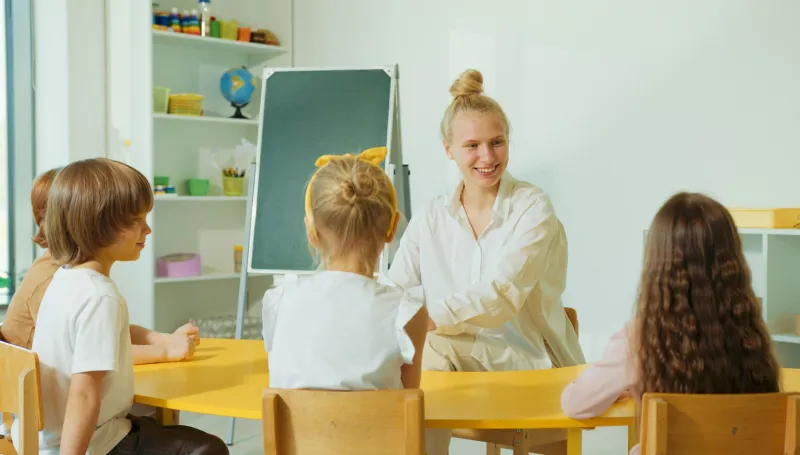
Birthdays arrive with a peculiar kind of pressure in early years settings. A parent asks whether they can send in a cake. Another quietly hopes nobody notices their child’s birthday because money is tight. A practitioner remembers three allergies, two dietary requirements and one family who does not mark birthdays at all. The day is meant to be about belonging, but it can quickly turn into a small logistics exercise.
None of this means we should skip birthdays. Children notice when their day passes without a mention. The trick is to build a ritual that does not depend on what anyone brings, spends or believes. Something repeatable, warm and light on its feet. Something that belongs to the nursery rather than to the supermarket.
The birthday chair, in five minutes
A birthday chair is exactly what it sounds like: one ordinary chair, perhaps with a washable cover or a length of fabric draped over it, used only for birthdays. It lives in a cupboard between celebrations, which is part of its charm. When a child’s day comes round, the chair appears in the group-time circle and the child is invited to sit in it. They can decline. They can choose a friend to sit beside them. The chair is an offer, not a stage.
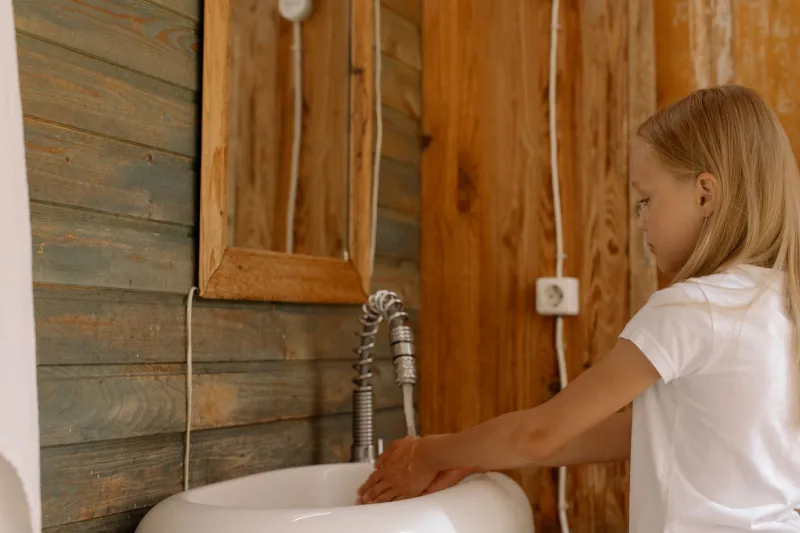
The ritual itself is short enough to fit between handwashing and lunch:
- The child chooses a song. It does not have to be Happy Birthday. A favourite nursery rhyme works just as well and sometimes works better for children who find the traditional song too loud or too focused on them.
- A practitioner says one true thing they have noticed about the child that week. Not a grand speech. Something small and specific: how kindly they helped at the snack table, how carefully they built a tower, how they made a friend laugh.
- The other children offer a wish. This can be a thumbs-up, a hand on the heart, a drawn squiggle on a card, or a spoken wish if they want to. No one is required to perform.
- The child chooses the next story or the next song. A small piece of agency goes a long way.
- They take home a card made by the room, or a page in the nursery birthday book. No party bag. No plastic whistle. No comparison.
That is it. Five minutes, maybe less. The child has been seen, the room has joined in, and nobody has had to buy anything.
Keep food out of the default
Food-free birthdays are not joyless. They are simply easier to include everyone in. When cake is the centrepiece, staff end up reading ingredient labels, worrying about cross-contamination and deciding whether one child can have a slice while another cannot. Parents feel they must provide something impressive. Children learn that celebration means sugar and that some children get a different plate.
A food-free default removes that whole layer. It also protects children with allergies, coeliac disease, diabetes, sensory differences and religious or cultural food rules without making any of them the reason the party changed. The celebration is not adapted for them. It is built for everyone from the start.
If a family offers to send in a cake, a kind script helps: “We keep birthdays food-free so every child can join in without us needing to check ingredients. You are very welcome to send in a photo or a favourite song for us to share, but please don’t feel you need to bring anything.” Most parents are relieved. Some need a moment to adjust because their own childhood birthdays looked different. That is fine. The ritual will show them it still feels special.
When families have different traditions
Not every family celebrates birthdays. Some have religious or personal reasons. Some are navigating adoption, bereavement or a difficult year. Some simply prefer a low-key day. Ask at enrolment, not on the morning of the birthday, using a simple question: “How does your family mark special days, if at all?” Then listen.
If a family would rather their child did not have a birthday chair moment, offer an alternative without drama. The child might choose a class activity, be the helper for the day, or have a quiet card sent home. What matters is that the child is not asked to explain the family’s decision to the room. Practitioners can hold that information privately and kindly.
For families who do celebrate, invite them to share a tradition if they want to: a song, a photo, a word for ‘happy birthday’ in another language, a simple game. Keep it optional. The ritual should not become a showcase that only some families can access.
The allergy detail that matters most
If a setting ever does include food, the usual safety rules apply: sealed packaging, full ingredient lists, separate preparation areas, handwashing and a named member of staff checking. But the stronger position is to avoid food altogether for group celebrations. It is not about being overly cautious. It is about removing a known source of exclusion and risk from a moment that should be simple.
A battery tea light in a felt holder can stand in for a candle if the children expect one. A wooden birthday ring or a crown from the dressing-up box can do the same job. These props are cheap, reusable and easy to clean. They also signal that the ritual belongs to the nursery, not to any one family’s budget.
The test of a good birthday ritual
Here is a useful question for any setting: would this celebration still work if every family had no money to spare, every child had an allergy, and every family marked special days differently? If the answer is yes, you have probably built something worth keeping.
The birthday chair is not a grand gesture. It is a small, reliable way of saying: we noticed you, we are glad you are here, and there is nothing you or your family needed to bring. That is a good deal more memorable than a slice of cake.