Eyes Open at One O’Clock: A Rest Hour That Makes Room for Everyone

Photo by Photo by Darya Tryfanava on Unsplash on Unsplash
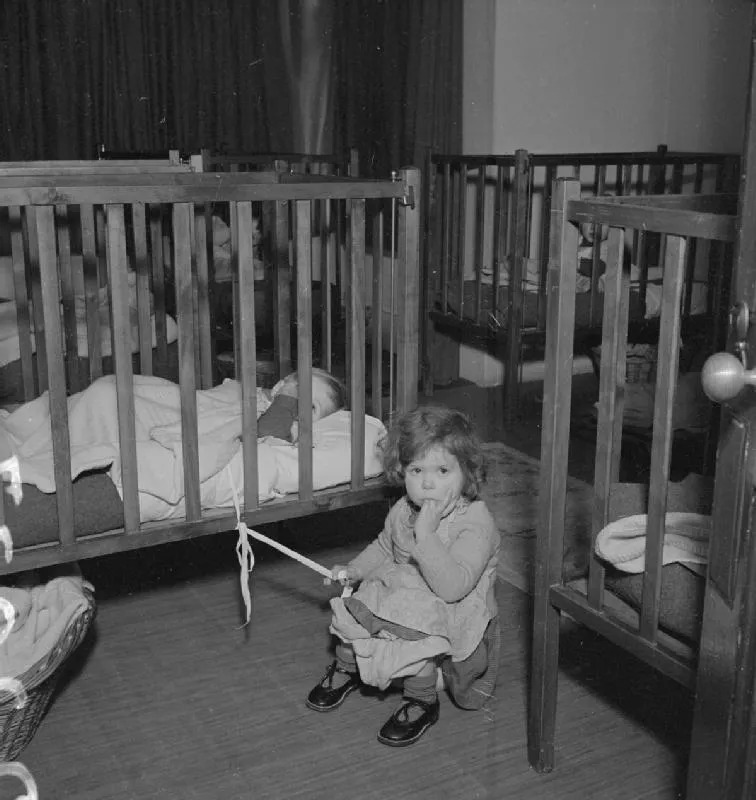
It’s just after one o’clock. Three children are properly asleep, one is doing slow starfish movements on a mat, and another is asking, in a stage whisper, whether it’s snack time yet. This is the reality of rest time in many UK nurseries. Not a neat row of sleeping babies, but a mixed room of different bodies, different home routines and very different sleep needs.
The trouble starts when we treat rest time as a binary: you either sleep or you wait. Children who don’t sleep can end up bored, restless or quietly made to feel like they’re doing something wrong. And practitioners can end up managing behaviour rather than offering rest. A better approach is to stop asking ‘who is asleep?’ and start asking ‘what does rest look like for each child today?’
Start with the room, not the routine
A rest space doesn’t have to be one dark room with mats on the floor. Where you have the space, think in zones. One end for children who are likely to sleep: low light, familiar bedding, calm voices, a practitioner nearby. Another area for children who are awake but need to slow down: a small table with books, soft toys, simple puzzles or a basket of quiet fidget resources. If possible, a third corner for children who wake early and need somewhere to be before the rest of the room gets up.
The key is that the awake zone should not feel like a holding pen. It should be comfortable, low-demand and clearly part of the rest offer. A cosy book corner with cushions works better than a table of worksheets. A basket of threading beads or a tray of smooth stones can give busy hands something to do without turning rest time into an activity session. Visual cues help too: a simple picture timetable showing ‘sleep’, ‘quiet play’ and ‘wake up’ can reduce the repeated questions.
Calm but awake is not a failure
Some children genuinely don’t need a daytime sleep. Others need a shorter rest. Some are overtired and struggle to switch off. A few are simply alert at one o’clock because their home routine runs differently. None of that is naughtiness.
It helps to drop the language of ‘good sleepers’ and ‘bad sleepers’. Instead, talk about ‘children who sleep at nursery’ and ‘children who rest quietly’. Offer choices within limits: ‘You don’t have to sleep. You do need to rest your body for a little while. Would you like the book basket or the soft toys?’ That gives the child some control without abandoning the routine.
For the child who finds lying still hard, a short, supervised movement break before rest can make a difference. A walk around the garden, helping to carry the cushions out, or a few minutes of heavy work such as pushing a small crate can help the body settle. It’s not a reward for not sleeping; it’s a sensible bit of routine planning.
The staff plan matters as much as the children’s plan
Rest time can quietly become the least planned part of the day. But it needs the same thought as lunch or outdoor play. Who is supervising the sleepers? Who is with the awake children? How will you manage a child who needs the toilet halfway through? What happens if a child falls asleep late and needs waking gently?
Rotating staff matters too. If the same practitioner is always in the dark room, they can end up isolated from the rest of the team and miss out on the more active parts of the day. A simple rota, with clear handover, keeps rest time fairer for adults and safer for children. And it’s worth saying plainly: rest time is not a staff break. The awake children still need supervision and engagement, even if that engagement is quiet and low-key.
Talk to parents before it becomes a standoff
Sleep can be an emotional topic. Parents may be worried that their child won’t sleep at home if they don’t nap at nursery. Or they may be desperate for the nursery nap because bedtime is difficult. Others may feel judged if their child is the one who never sleeps.
Start with curiosity rather than a script. Ask what sleep looks like at home, what time the child wakes, whether anything has changed recently, and how the child seems in the late afternoon. Share what you see at nursery without turning it into a verdict. ‘We’ve noticed Ava is happy to rest but doesn’t seem sleepy. She’s still full of beans at three o’clock’ is more useful than ‘Ava won’t nap.’
If a child is consistently not sleeping and is also struggling with tiredness, it’s worth reviewing the whole routine together. Sometimes a later bedtime or an earlier wake-up changes the picture. Sometimes a child is ready to drop the nap. If parents are worried about sleep patterns, signpost them to their health visitor or GP rather than trying to solve it all in the cloakroom.
Try one small change
You don’t need to redesign the whole day by Friday. Pick one thing. Add a quiet-awake basket. Move the sleep mats away from the book corner. Change ‘nap time’ to ‘rest time’ on your display. Ask the children what helps them feel cosy. Then watch for a week and see what shifts.
The aim isn’t a silent room. It’s a room where a child who needs sleep can find it, and a child who is wide awake can still learn to slow down, potter quietly and feel that they belong in the rest hour too.